Are you struggling with persistent acne? Finding the right treatment can feel like a guessing game, but it doesn’t have to be. Each type of acne—whether it’s blackheads, whiteheads, papules, or cysts—requires specific care to achieve the best results. Knowing what you’re dealing with is the first step toward effective solutions that target and treat acne from the root. Here’s how to identify and manage every kind for clearer, healthier skin.
How to Treat Different Types of Acne for Clearer Skin
Identifying Your Blemish Type
Each acne type requires a unique treatment approach. Blackheads, whiteheads, and pustules all have different characteristics and respond best to targeted methods. Before choosing a treatment, identify if your blemish is a mild blackhead or whitehead or a more inflamed papule, pustule, or cyst. Accurate identification ensures you use the right product and method, maximizing results.
Treating Acne: Blackheads and Whiteheads
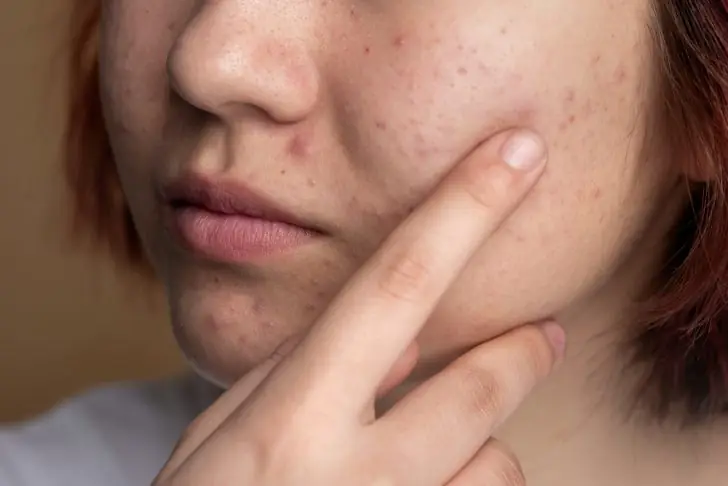
Blackheads and whiteheads form when pores clog with oil, bacteria, and dead skin cells. If the pore remains open, it appears as a blackhead due to oxidation. When the pore closes, it forms a small, flesh-colored, or white bump known as a whitehead. To treat both, a topical retinoid like adapalene can help regulate skin cell turnover, preventing blockages. A benzoyl peroxide wash works well alongside it, targeting acne-causing bacteria.
Consistency is key when treating blackheads and whiteheads. Allow six to eight weeks to see visible improvement. Avoid aggressive scrubbing, as it can irritate the skin and worsen the condition.
Early Pimples: Papules
Papules are small, hard, red bumps that develop when oil, bacteria, and dead skin cells penetrate deeper into the skin. They feel rough and may cover larger areas, causing the skin to feel like sandpaper. For papules, look for cleansers with benzoyl peroxide or salicylic acid. These ingredients reduce inflammation and prevent further breakouts. Wash the face gently twice daily, maintaining a regular skincare routine to help reduce papule formation.
Treating Pus-Filled Pimples: Pustules
Pustules are like papules but contain a yellowish or white fluid. They are often tempting to pop, but doing so can worsen inflammation, increase infection risk, and potentially lead to scarring. Using acne washes with benzoyl peroxide or salicylic acid can effectively reduce bacteria and clear pores. For best results, avoid touching the skin unnecessarily and resist the urge to squeeze the pustules. If improvement isn’t seen in about six weeks, consulting a dermatologist may help.
Severe Acne: Nodules and Cysts
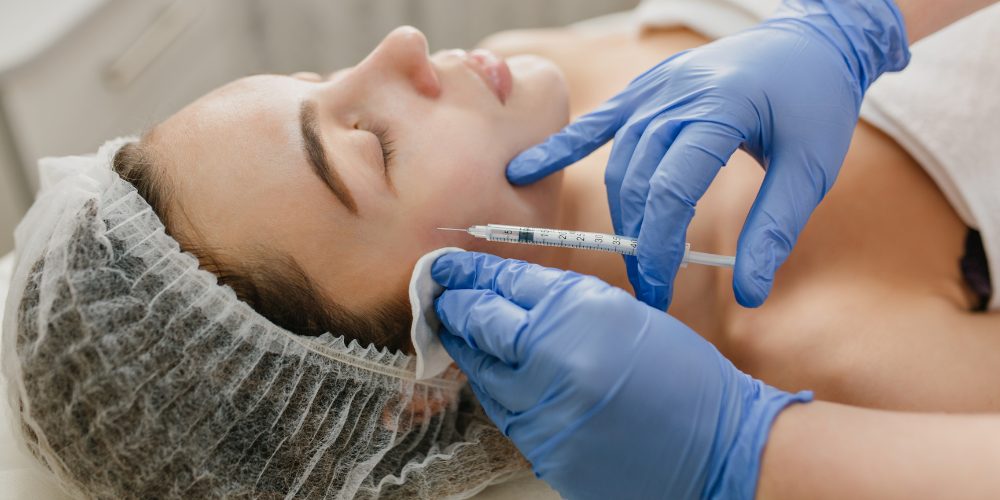
Nodules and cysts represent more serious acne types, forming deep beneath the skin’s surface. These blemishes can lead to scarring and are typically painful. Home treatments for nodules and cysts are limited, and over-the-counter products may not be strong enough to penetrate these deeper layers. Prescription-strength solutions or dermatologist-recommended procedures, like injections or extraction, often provide the most effective relief and minimize scarring. Early intervention is crucial to avoid long-term skin damage.
Skincare Routine Essentials for Acne Management
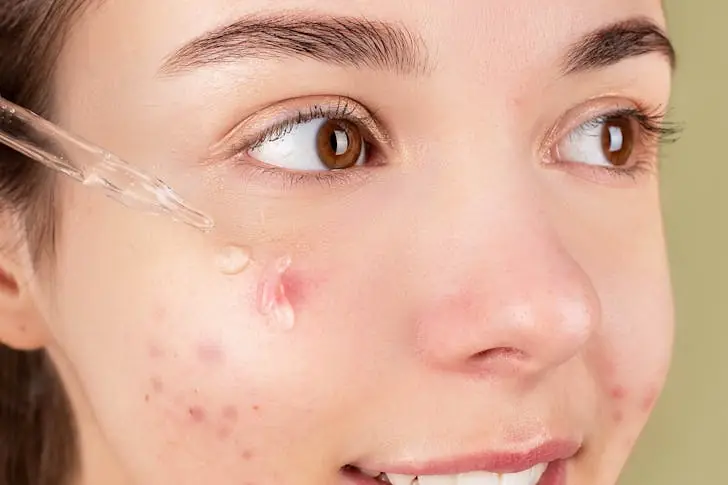
A consistent skincare routine is foundational to managing acne, regardless of type. Begin with a gentle, non-comedogenic cleanser that won’t clog pores. Use a benzoyl peroxide or salicylic acid product specifically formulated for acne-prone skin. Incorporating a lightweight, oil-free moisturizer maintains skin hydration without aggravating acne. Always choose products suitable for your skin type, avoiding anything overly abrasive or drying.
Regularly exfoliating with a mild chemical exfoliant, like alpha hydroxy acids (AHAs), can prevent dead skin cell buildup, which helps keep pores clear. Avoid physical exfoliants that might irritate inflamed areas.
Lifestyle Adjustments to Support Clear Skin
Lifestyle habits play a significant role in acne management. Drinking plenty of water helps maintain skin hydration and balance. A balanced diet of fruits, vegetables, and lean proteins can reduce excess oil production. Avoiding high-sugar and high-fat foods may also benefit those prone to acne, as these can lead to inflammation.
Managing stress is equally essential. High stress levels increase hormone production, often leading to breakouts. Relaxation techniques like meditation or yoga can positively impact skin health.
When to Consider Professional Treatment
While many find relief with over-the-counter options, some types of acne require professional help. Dermatologists offer personalized treatments that address specific skin concerns more effectively. For stubborn or recurring acne, procedures like chemical peels or laser therapy can provide significant improvement.