You aren’t the only one who isn’t sure about where to place funds. Many people ask themselves whether they should be keeping their cash at hand or in a bank or somewhere else. There are so many options these days and so many different goals. Where you store your money will depend on your own financial goals.
What Are Your Financial Goals?

People have money for different reasons, paying for their studies, going on a vacation, saving for retirement, buy gifts, etc. There are also home projects and daily expenses. It is common for people to keep their money at the physical bank, or in online accounts or a credit union. Having a checking account is very common today as well, just as savings accounts are.
People manage their financial goals through several different accounts for both short term and long term financial goals. Some people refuse to use banks at all and prefer keeping their hard cash at home. Those who keep hard cash at home usually don’t know of the increasing options to choose. This means protecting your money and still keeping it accessible.
Banks Come in Many Forms
Banks aren’t only in the traditional physical brick and mortar version! These days, banks come in a variety of shapes and sizes to choose from. Brick-and-mortar banks typically have more business as they are more recognized and trusted since they have been around the longest. But there are contenders. Today we have online-only banks, community banks, and credit unions as well.
Choosing a Bank
With the competition growing, banks now have to think of creative ways to make their businesses look more attractive to people with money than their competitors. This means that more and more rewards programs are in place with lucrative incentives. Besides this, there are also the high-yield accounts that offer better interest rates on higher balances. Many beneficial perks have come about since the banking business grew competition. Of course, with the increasing number of options to choose from, it can be a challenge simply selecting where to bank your money.
What to Consider When Choosing a Bank

You have to consider interest rates, fees and hidden charges, and the like. When it comes to the question of fees, online-only banks, credit unions, and community banks all typically offer better interest rates than the traditional brick-and-mortar banks do. Online-only banks are virtual and thus have lower overheads since they don’t lease out or pay costs involving physical buildings or a physical location.
Online banks are very accessible and since you can see it from your laptop or phone and at any time. Credit unions and community banks are rather lenient with fees and interest rates. That’s because they place focus on the people they serve.
Daily Expenses
If you intend to pay for expenses with an amount of money, it is best not to keep it in hard cash. That’s because you might misplace or lose it. When your money is in an account, and you are using a card to swipe, you have much more protection since the balance is also insured. This means that if you know how much your expenses ad up to, keeping this amount in a checking account is safer and easier as you can simply swipe and go. It is best to have a buffer balance left in the account at all times to prevent the mistake of going into your overdraft from occurring, in which case you may incur bank charges.
Emergency Fund
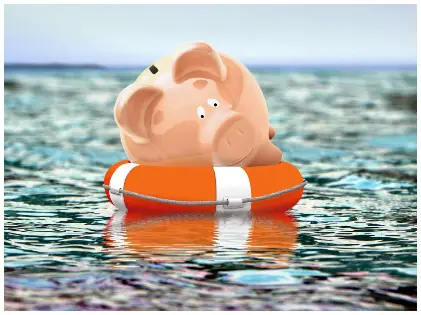
It is smart to keep a certain amount of money in an emergency fund for times when you need it. This isn’t if you are short on cash for lunch or for new clothes or a vacation. The emergency fund is in case you run out of food or can’t meet the mortgage payment or lose your job.
Keeping emergency fund amounts in a separate account and preferably at a different bank is best as it is less tempting to use as it requires additional effort to access. If your emergency money is kept in your checking account, you could quickly eat into it, whether you realize it or not.
No matter what you plan on doing with your money, you have to make sure your funds are safe, protected and in order so that you don’t mess up your finances. Having hard cash on hand has its perks, but it is generally much safer and more sensible to have your money in accounts. Straighten out your finances and feel a whole load of pressure lift off of your shoulders!