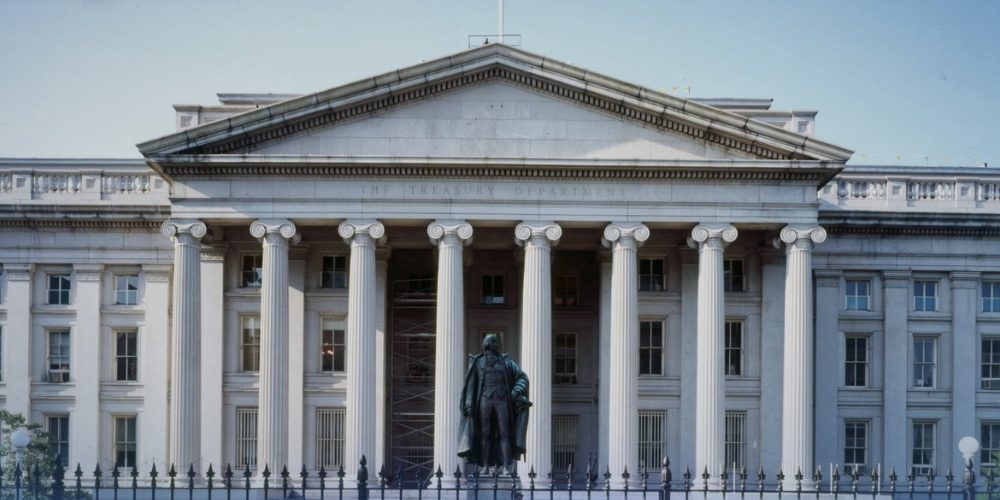
Tariffs can leave you feeling uncertain about your financial future, especially when costs start to rise. If you’re feeling anxious about how tariffs might be impacting your wallet, you’re not alone. Many people are struggling to manage the financial stress that comes with these changes. Fortunately, there are strategies you can adopt to protect your finances.
Here are some expert-backed tips to help you navigate the uncertainty and make smarter decisions with your money.
Spend Mindfully and Avoid Unnecessary Purchases

During times of tariff increases, resist the urge to stockpile or make large purchases. Certified financial planner Lauryn Williams advises customers to exercise caution. According to her, “Buy only what you truly need.” This prevents unnecessary strain on budgets while offering flexibility if market conditions shift again.
Instead of reacting to every price change, maintain focus on the essentials. Avoid from spending money on pleasures or updating your electronics. By doing so, you retain greater financial stability in case economic conditions worsen unexpectedly.
Stay Alert for Scams
Economic stress often attracts predatory schemes. Scammers frequently target individuals looking for quick fixes during uncertain times. Williams warns against so-called “recession-proof” financial solutions offered for a fee.
Always verify credentials, check for official certifications, and avoid high-pressure tactics. Scams typically rely on urgency and confusion—two emotions that increase during periods of financial unrest. Spotting the red flags early helps protect savings and avoids unnecessary loss.
Reduce Noise, Not Awareness
While staying informed matters, information overload can do more harm than good. Social media, news channels, and group chats can overwhelm even seasoned investors. Williams suggests stepping back when the headlines start to induce panic.
Rather than let fear dictate decisions, return to long-term plans that have already been set in place. Turn off notifications, mute anxiety-inducing conversations, and focus on personal financial goals instead.
Continue Strengthening Emergency Funds
Economic downturns can bring layoffs, inflation spikes, or sudden medical costs. Building and maintaining a solid emergency fund remains one of the most effective financial strategies. Aim to save at least three to six months’ worth of expenses in a liquid, accessible account.
Even during stable times, an emergency fund offers peace of mind. In uncertain conditions, it becomes a lifeline. Make consistent contributions and prioritize this account over short-term indulgences.
Temporarily Adjust Debt Repayments
When financial pressure builds, keeping more cash on hand becomes a smart move. Williams advises making minimum payments on debts if necessary. While this approach could lead to longer repayment timelines, it provides temporary relief.
Prioritize high-interest debts to reduce the long-term effects. Then, once stability returns, resume aggressive repayment plans. This temporary adjustment buys time and ensures that funds remain available for essentials.
Evaluate Retirement Plans With a Professional

Retirees and those nearing retirement should seek guidance from certified financial planners. A volatile market could significantly impact retirement savings if decisions are made without expert input. As Williams recommends, having a detailed plan helps avoid emotional reactions that can lead to long-term setbacks.
For individuals retiring within three to five years, proper planning can help balance investments and secure steady income during the transition. Those with more time until retirement can remain invested but may consider slight adjustments to reduce risk.
Don’t React Emotionally to Market Changes
Market swings often trigger fear. However, unless retirement is just around the corner, it’s usually best not to obsess over investment values. Williams explains that long-term investors should not panic during downturns.
Instead, continue regular contributions and focus on the future. If needed, reduce contribution amounts slightly, but never stop entirely. Investing through a downturn often positions portfolios for greater recovery when the market bounces back.
Economic uncertainty can test even the most disciplined savers. However, by leaning on time-tested strategies, individuals can make smart choices without giving in to fear. Continue saving, spend wisely, and seek expert support when decisions get complex. While the road may twist unexpectedly, a strong financial foundation will always help you stay grounded.