The dominance of the U.S. dollar in global trade, particularly in the oil market, has been a cornerstone of international economics for decades. Since the establishment of the petrodollar in the early 1970s, it has bolstered the U.S. economy, supporting its currency as the world’s primary reserve. However, recent geopolitical shifts and economic strategies from major global players like China and Russia threaten its continued dominance. Is the petrodollar dead? This comprehensive will provide what you need to know about the current situation of the petrodollar.
Historical Context and the Rise of the Petrodollar
Following World War II, the United States emerged with the largest gold reserves, allowing it to anchor the global monetary system around the dollar, a system established at the 1944 Bretton Woods Conference. Initially, global currencies were pegged to the dollar, which itself was convertible to gold at a fixed rate.
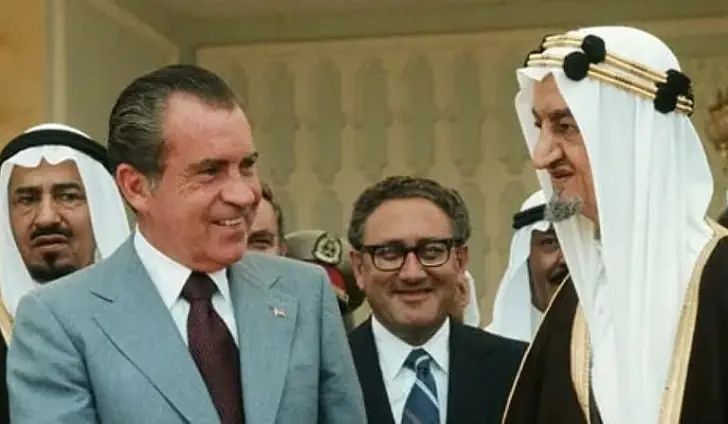
This arrangement proclaimed the dollar as “as good as gold.” However, the pressures of increased government spending and the fixed gold rate led to a drain on U.S. gold reserves, prompting President Nixon to sever the dollar’s tie to gold in 1971. This move could have destabilized the dollar’s value in international trade.
To preserve the dollar’s supremacy, the U.S. ingeniously created the petrodollar system through an agreement with Saudi Arabia. Under this system, oil transactions globally were conducted in U.S. dollars. In return, the U.S. provided military and political support to Saudi Arabia. This not only maintained the demand for U.S. dollars but also integrated the dollar deeply into the global economy, as countries needed to hold vast reserves of the currency to engage in oil transactions.
The Petrodollar’s Impact on Global Economics
The petrodollar system significantly influences global economic strategies. By necessitating the holding of U.S. dollars for oil transactions, it creates a substantial artificial demand for the dollar, differentiating it from local currencies like the Mexican peso. This system ensures that the dollar remains a preferred medium for oil transactions and other international trade dealings, underpinning its role as the world’s leading reserve currency.
Moreover, recycling petrodollars into U.S. Treasuries has allowed the United States to sustain large budget deficits by issuing more government debt without facing the dire consequences typically associated with such financial practices. The petrodollar system has made the financial environment possible, where multi-trillion dollar deficits have become a norm rather than an economic calamity.
Is the Petrodollar Dead? The Current Challenges
Despite its past success, the petrodollar system is under unprecedented strain. Key global players, particularly China and Russia, pose serious challenges.
Russia’s significant energy production capability and China’s massive energy consumption needs have driven these nations to establish alternative trading systems, such as the Shanghai International Energy Exchange, which allows oil trades in yuan instead of dollars. This move towards what might be termed a “petroyuan” system reduces global reliance on the dollar, undermining its unique position.
Moreover, U.S. sanctions, such as those imposed on Russia following its invasion of Ukraine, have highlighted the vulnerabilities associated with holding dollar reserves, which can be frozen or seized by the U.S. government. Such actions reinforce the perception of the dollar as a risky asset, prompting nations to seek alternatives.