
Global investors are on the lookout for virgin territory, a place where global enterprises are yet to make an appearance. Africa is famous for its vast natural sources and a population of around a billion. Therefore, it’s pretty natural for the investors to have an eye for the continent. Africa has been catching the fancy of many over the last few decades. However, numerous wars and political turmoil made it suffer economically! Hence, investors chose to stay away from the continent till now. However, Africa remains the final frontier.
North, South, or Somewhere In The Middle?

If you compare Africa with South America or Europe, the scenario is entirely different here. Investments would vary from one region to another. The northern part of the African continent is rich in oil assets. Besides that, it also has some major industries.
As a result, the region is similar to what you will find in the Middle East. The southern part boasts of the mining industry and has a more developed market than the north. Sub-Saharan Africa happens to be a region that hasn’t yet been accessed by the investors. The territory awaits foreign investors as it does not have a developed economy yet!
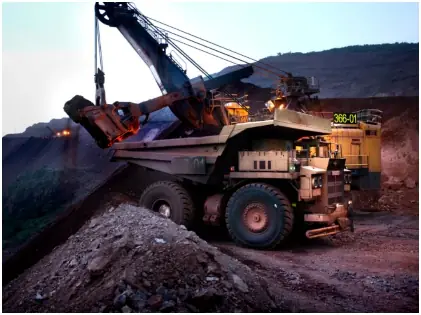
South Africa is the world’s largest gold, chromium, and platinum producer, and consequently, the country is a hotspot for investors. It also boasts of sizeable banking and agricultural sectors.
The consumers are gradually reducing their dependence on exports and are emphasizing the growth of domestic services. Egypt, Libya, Algeria, Morocco, Tunisia, Mauritania, and Western Sahara lie on the northern portion.
They are popular owing to their crude oil reserves. For example, Libya has the largest oil reserves in entire Africa and the ninth-largest oil reserves across the globe. Though politics is part and parcel in these reserves’ operations, several multinational companies have bought stakes.
Exchange-Traded Funds and Mutual Funds
Mutual funds and ETFs or exchange-traded funds are the easiest and the most effective way to invest in the African continent. Trading of these funds takes place on the United States Stock Exchange. However, the cost is much less than what investors have to spend behind building a portfolio with ADRs or American Depository Receipts, manually.
There are not many options to invest in Africa as the rest of the continent is not suitable. Buying Middle Eastern, as well as Frontier Market exchange-traded funds, is the doorway to making worthwhile investments in the African nations. This is the first option. The second option is to put money in commodity exchange-traded funds that emphasize gold and copper.
Benefits of Investing in Africa
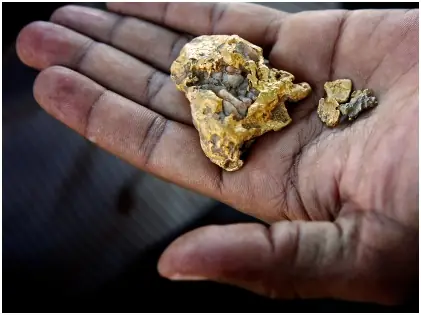
Africa is rich in elephantine natural resources. Investors have too many options like gold, diamond, oil, and uranium to choose from. However, the government is yet to exploit the natural resources completely due to the lack of finance, infrastructure, and human density. So, investors have an excellent opportunity.
The population of Africa is almost 17% of the planet’s total population. 1.3 billion people reside in around 60 territories. Therefore, the consumer goods sector provides excellent opportunities. The per capita income of Africa is much less than the rest of the continents. Thus, the region remains relatively underdeveloped. It implies that as the population will continue to rise in the times ahead, growth opportunities will automatically accentuate.
Risks of Investing in Africa
Governments in the continent usually lack strong industrial policies. From nationalizations to extortion, several issues can plague any business. With a low per capita income and human density, infrastructure is not up to the mark.
Consequently, the companies cannot avail of the basic facilities such as roadways and electricity to start their operation. Civil wars and internal conflicts are also often seen as threats to any business. Plus, the change of regimes can also bring a lot of uncertainty in a business’s operation.
If you wish to invest in Africa, you should measure all the pros and cons before deciding. Do not forget to consult your financial advisor before putting money into anything, anywhere. They will walk you through all the market risks and help you plan your investments accurately! And if Africa seems to be the right place for you to invest in, think no further and give it a shot!