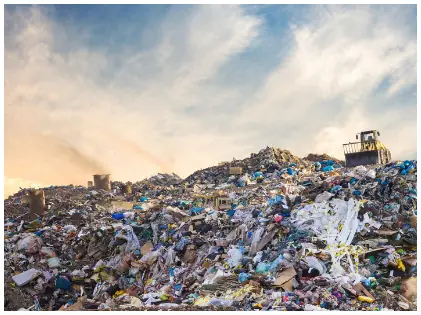
In light of the fact that the global population is in an exponential increase, it can be expected that so will human waste. Obviously, waste is one of the largest human impacts in the world. There is an overwhelming abundance of food waste, livestock manure, sewage and landscaping waste, plus a whole lot more while we are simultaneously facing shrinking landfill room and diminishing resources. So much of our nutrient-rich waste which has the potential to be reused in a wonderful way end up in landfills! Don’t waste your waste – compost!
Nature has been composting waste all along, and it’s about time we, humans, took a hint and got composting. This process is essentially the breaking down of waste so that it can be reused in a different form. Composting helps reduce the amount of waste that goes to landfills rather significantly while allowing us to cheaply supply the earth with nutrients and minerals.
Compost is easily recognizable as it is the loose, moist, and dark broken down organic material that typically makes for the most part of topsoil in a natural ecosystem. The process of composting requires oxygen to effectively progress since it is aerobic biodegradation. With the help of oxygen present in the air and some important organic organisms, the complex structures of organic waste can be decomposed into basic elements to be available in the soil. Anaerobic fermentation also makes up a part of composting in smaller amounts, but it is also rather important.
How it works
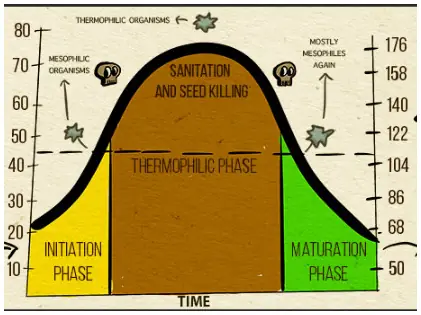
So, the basic mechanism of composting involves three phases – the initiation phase, the thermophilic phase, and the maturation phase. First, the microorganism populations grow, increasing the heat in the compost heap until a point of self-destruction, at which time the next phase begins — some organisms survive to decompose the organic matter. The third phase is the cooling and maturing of the compost, turning your waste into black gold. In the event that composting is done incorrectly, there are possible downsides that may occur like issues with odor, heavy metal build-up, and methane production.
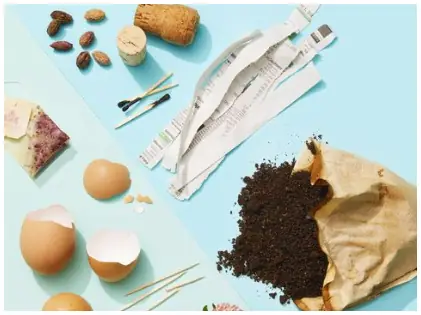
Some compostable material other than fresh produce scraps and landscaping waste are hair (either human or pet), wine corks, old dry pasta,fabrics and string made from natural fibers, cardboard (including egg cartons and toilet paper rolls), tissues, cotton balls, newspaper, paper bags, and receipts (non-glossy). Make sure never to add animal droppings or animal products like meat, bones, skin, milk, or butter into the pile!
If you are interested in starting your own composting at home, there are many composting aids available to make the task a whole lot easier for the novice gardener! You can easily find compost activators in the market which work by adding nitrogen and microorganisms into your pile, giving them a kick start and boosting the composting process. Look for labels that read ‘compost starter’ as well for rich and moist compost in a matter of two to three months!
Some tips for composting
Adding your scraps a little at a time is less effective than collecting it and adding it to your heap in one big feed. One large dose of organic material heats up your compost heap faster than if you threw in scraps a little at a time, and the heat is what you are after. Turn the compost frequently and thoroughly to help quicken the composting process. Also, adding scraps that have been chopped up or broken into smaller chunks is better than adding whole items like a whole watermelon or a full newspaper or magazine. Keeping your compost in the sun is a free and easy way to hasten the decomposition process as well since heat is your friend.
What with so much information readily available on composting and so many tools and aids easily accessible, there really is no excuse to be afraid of trying it out on your own. Get your elbows in there and get grubby! There’s a whole lot to benefit from composting like a gorgeous garden and a less occupied landfill Get members of your community interested in composting and gather all your organic waste together to make a big compost pile for everyone to benefit from. Happy composting!