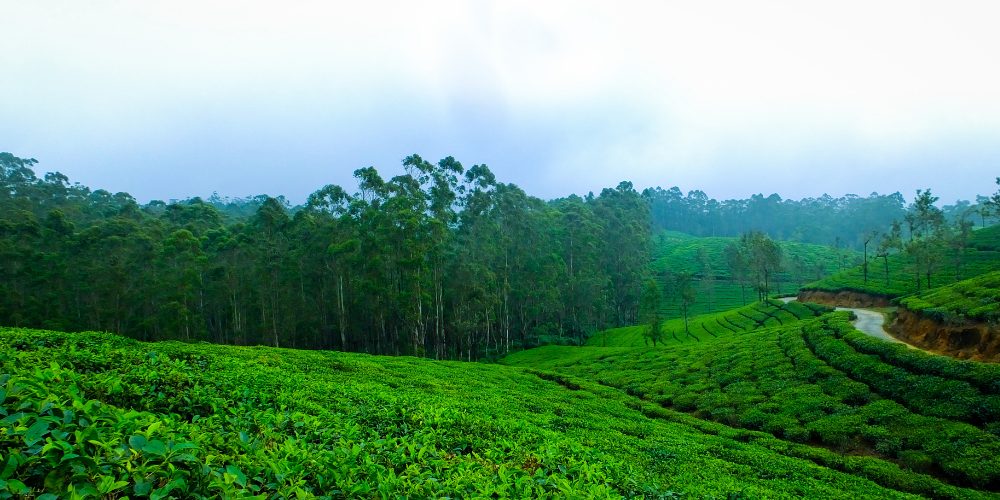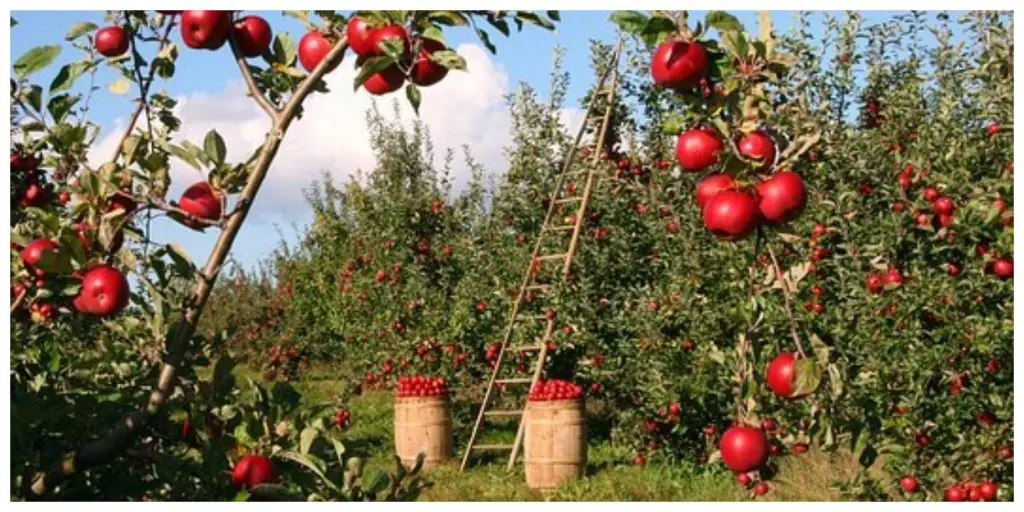
Farm-to-table is a phrase that has different connotations for different people. At its heart, farm-to-table means that food comes directly from a specific farm without going through various steps such as stores, markets, or distributors along the way.
They work for anyone who considers these offerings to cater to the definition. Farm-to-table can also be called farm-to-fresh and farm-to-fork.
Farm to table was an offshoot of the hippie movement on the West Coast in the 1960s and 70s. But then it became a worldwide phenomenon growing by leaps and bounds and does not show any sign of slowing down. Many restaurateurs are using farm-to-table to give credit to hardworking farmers and bring forward fresh and delicious food to the general population.
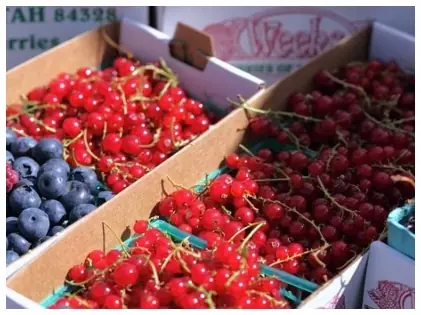
Look for the Closest Farmer’s Market
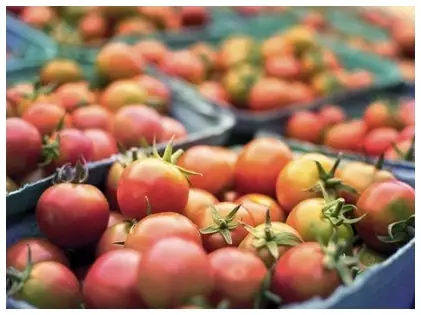
Some of the farmers’ market foods are so delicious, even when you eat them on their own. You don’t even need to add many things to make them palatable. You don’t have to start with large amounts. Start buying smaller amounts, tomatoes, basil, and more.
You can save time by shopping for simple foods such as fresh fruits, salad greens, milk, and eggs that you may buy from a supermarket. Find culinary inspiration at the farm.
If you are thinking of going to the farmers’ market regularly, start making meals around the seasonal produce that’s readily available. Once you start enjoying fresh and organic food, you may want to buy more and more of it. But you may end up wasting a lot of food, which is the opposite of sustainability.
Forge a Relationship With Local Farmers
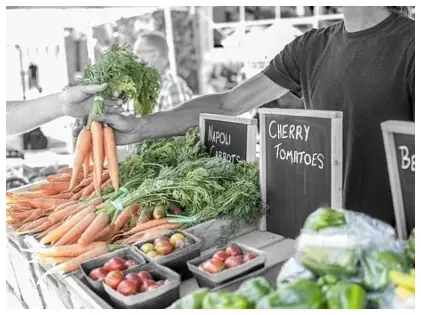
Using the trips to the farmers’ market as an opportunity to converse with farmers and learn how they grow the food you are buying is a rewarding experience.
Developing strong relationships not only gives you more knowledge, one you can trust. But it can also be a source of meal ideas and build a sustainable relationship over time.
Read the Labels on Animal-based Foods
When it comes to meat, poultry, seafood, dairy, and eggs, find out whether animals are being humanely raised. Also, find how they feed the animals when using growth hormones or antibiotics. Look for labels that indicate whether the animals are raised humanely, raised without antibiotics, and are completely hormone-free.
Know All About the Food Information
Always go for seasonal products instead of out-of-season products that are not local. Seasonal charts will mean select foods which are around your geographical area. And if your region does not grow certain foods, then these foods are not local.
For example, pineapples and mangoes are not from Long Island. If it is marketed as local for Long Island, you may feel skeptical about it. So, identify local foods in your area. This way, you will keep things local and sustainable.
Grow Your Own Produce
So, what if you do not have a local farm nearby? You can toy around the idea of growing it around the area you live. In some cases, you can grow around your apartment.
First, try to source the seed, which you can get locally. Once you get the seeds, the next step is to include germination or sprouting.
You can germinate on a seed tray, including a cell pod of sorts, which you can buy from a store that has a verdant garden section. This way, you can explore your untapped potential of developing a potential green thumb.
Conclusion
Local food is great for the earth. Not only is local food better for your health, but it’s also better for the environment. For example, on average, the 18-wheeled semi-truck travels and produces 5 miles per gallon of gas; it means it produces 500 gallons of diesel fuel to haul produce at an average distance of 1,500 miles. One can reduce this extra use of fuel as you procure foods locally.
The farm-to-table movement’s drive brings a massive change in restaurants, stores, and homes, so it means great benefits for consumers and you. There is no doubt that locally sourced food is fresh and delicious, and you are supporting your local farmers, too, in the process. What’s there not to like? The next time you go restaurant hopping, choose a farm-to-table restaurant and make the world a greener place to live in.