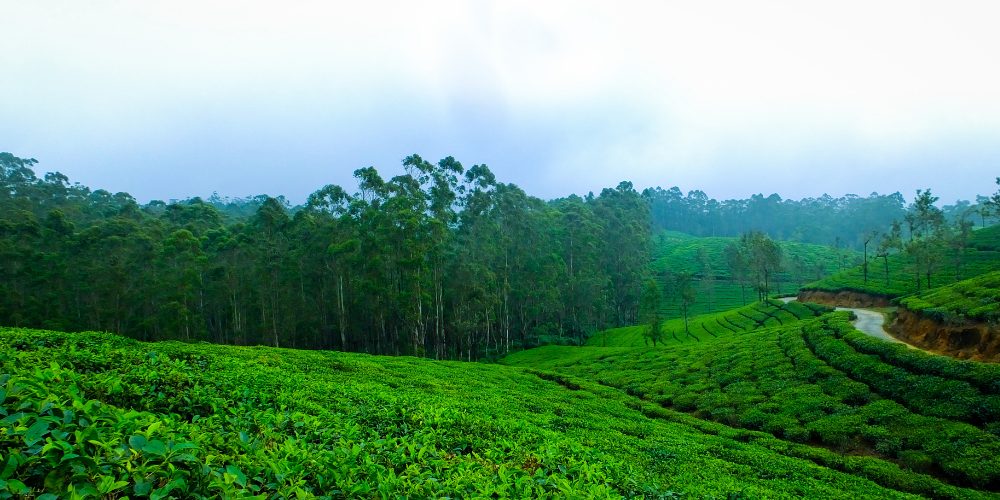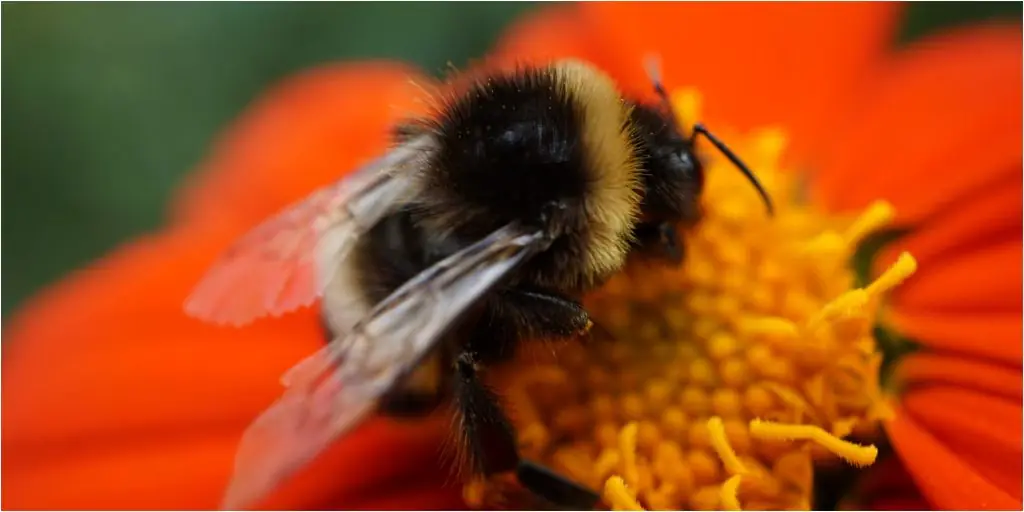
We all know how a tropical forest looks like. All green, wet, and warm, with thick shrubs, large trees, and tropical forests, are the residence of various mammals, birds, and insects. The different species of plants and animals are in abundance. At least two-thirds of all the species you know of on this planet can be found in tropical regions.
There are areas within the tropical regions that are counted as biodiversity hotspots. The rarest and endangered species usually live in these biodiversity hotspots. The amazing diversity of life in these areas increases their importance. If you want to know about biodiversity hotspots in detail, their locations, and their importance, read on.
How Many Species Live On Earth?
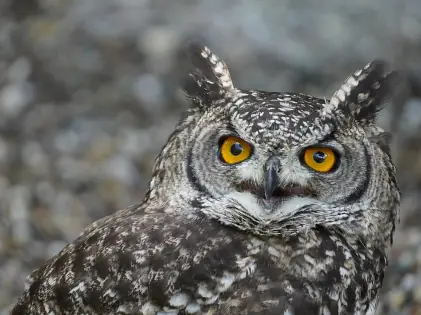
Are you aware of how many species live on earth? This might be a tough question for you. The correct number is not available at this moment. But according to scientists, the number of species of living organisms might be something around 1.7 million. Out of those 1.7 million, animals count up to 1.3 million.
From the rest, more than 300,000 are plants, while 100,000 are fungi. Aside from that, there are innumerable species, bacteria, viruses, and algae. Isn’t that amazing? Well, this variety of life forms is what you call biodiversity. Biodiversity, in short, is the co-existence of all forms of life in one place.
It is not easy to figure how many species live on this planet. Therefore, it gets tough for you to calculate the exact percentage of species that you know. But whatever is the case, the scientists think that despite the discovery of so many species on Earth, the number of undiscovered species can be even larger.
You might feel like though this fact is quite interesting. It doesn’t make much of a difference. It does. When people are doing their best to protect the Earth’s biodiversity, knowing how many species are there on this planet is as crucial as knowing where they are conserved.
Uneven Distribution of Biodiversity
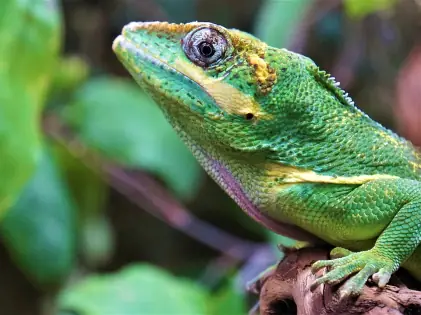
The number of species existing on Earth is massive. The total number of species is unevenly distributed across the globe. Two-thirds of these species happen to live in tropical areas, specifically in tropical forests. The causes of this uneven distribution are debatable. But the fact that these species are more concentrated in some particular regions can amaze you even more. To prioritize the regions that need conservation, scientists search out the areas where many species reside, particularly those areas that are either getting destroyed or where the species are facing extinction.
The areas where biodiversity conservation is necessary to fall under the category of biodiversity hotspots. Two major factors need to be taken into account while counting a place as a biodiversity hotspot are. One, the various number of species found there. Two, whether the species in that area are facing extinction or destruction.
The Biodiversity Hotspots
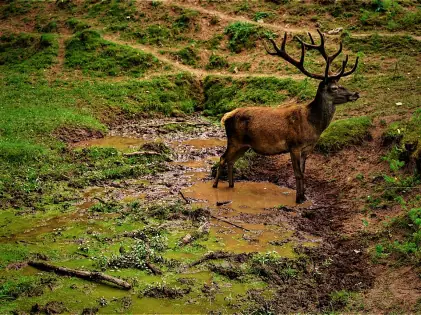
The list of current biodiversity hotspots on Earth includes the Western Ghats in the Indian Peninsula, Eastern Himalaya, Indian Ocean Islands, the Indo-Burma region Sri Lanka, New Zealand, Philippines, Japan, Mountains of Central Asia, Mediterranean Basis, and the Caribbean Islands. It also includes the Chilean Winter Rainfall – Valdivia Forest, Tropical Andes, Central Mexico, Guatemala, Belize, California Floristic Province, Horn of Africa, Coastal Forests of Eastern Africa, Madagascar, and many more. Scientists have discovered that despite the biodiversity hotspots covering only 14% of Earth’s land, 60% of the mammal, bird, reptile, and plant species have made these regions their home.
Facing Extinction
The most intriguing fact is that the organisms that people know today are a minute portion of the living beings on earth ever since life started on the planet. To be precise, the number of species that exist today makes up only 5% of the species that existed on the planet from day one. This points out that extinction has a major role in the biodiversity that stands today. The rate is increasing day by day.
If a region has a large number of species, it is biodiverse. In total, there are 36 biodiversity hotspots on the face of Earth today. We need to protect these regions to ensure an ecological balance on the planet. Have you been to a biodiversity hotspot? If yes, do tell us which one and share your experiences.