Whether someone is living on a fat trust fund, managing a hefty nest egg, or surviving from paycheck to paycheck, they must be made aware of some of the most common financial blunders to avoid economic hardships in the future. Considering hidden costs, poor budgeting, and wrong decisions around finances, it’s often quite easy to spend one’s hard-earned money unwisely and end up in debt, or worse, bankruptcy. But controlling your finances is as easy as pie with the right mindset. Coupled with some good advice, anyone can be well-prepared to handle their finances, and navigate tough times with ease. Check out how to avoid some of the most common financial errors below:
Living on ‘Borrowed’ Money:
Borrowed money doesn’t necessarily mean money borrowed from someone else (money-lender, friend, etc). It may also denote day-to-day purchases made with a credit card which is a matter of concern. Credit cards are meant for emergencies, not for basic needs like bread, gas, groceries, and toothpaste. Not only does that increase one’s overall debt reflected on the billing statement, but it also means that they are spending much more for the same items that would otherwise be cheaper.
Excessive/Frivolous Spending:

Many big fortunes are lost one dollar at a time. Just like little drops of water to an ocean, it might not seem like much when one spends a few dollars on that cup of cappuccino or an ethnic piece of jewelry, or on candle-light dinners with the family or pay-per-view movies with friends, but remember that every little purchase adds up. Just one night each week that one spends at dinner may end up costing anywhere between $1,400 and $2,000 or even more every year. This might eventually mean extra mortgage payments or an increase in the number of installments made. Avoiding this practice will mean a lot especially if someone is going through a tight spot financially.
Living From Paycheck to Paycheck:
When someone depends on each paycheck to run their household, they usually have to scramble to make ends meet, often running out of money before the month is over. Living from paycheck to paycheck can be detrimental to financial security as one can neither plan for the future nor cover bigger expenses. Imagine facing an emergency that requires $1000, what then? And if you overspend even by a little each month, the debt for the following months will keep rising higher. In the U.S., the household savings rate in 2016 was just 5.5% while other countries such as Japan, France, and Germany had personal savings rates around 10% or more. This means that it’s clearly possible to live without financing everything with debt.
Treating Home Equity Like a Piggy Bank:
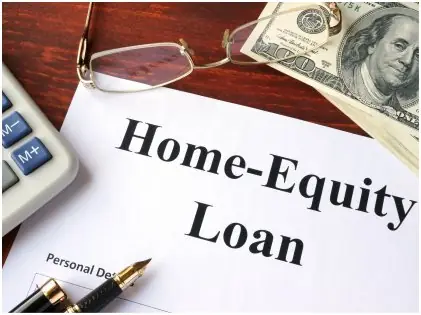
Your home is your haven and it is unwise to use its equity as a collateral for a loan just to spend on lavish things. If you do so repeatedly, it means giving up the ownership of your home to someone else – a bank or money lender in this case. There’s also a matter of big bucks spent on the interest and fees. Not to mention, this will mean the person is going to end up paying much more for his home than its actual worth. Smart house-owners would rather build up home equity and refuse to treat it like a piggy bank.
Purchasing a New Car:
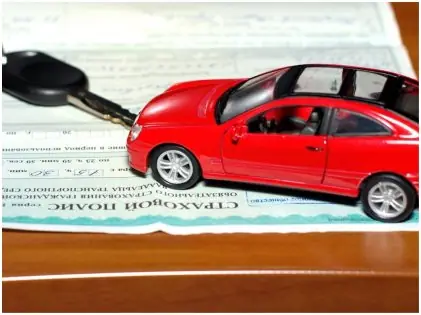
Cars have become a necessity these days, and it seems that people still purchase one despite not having enough for a full payment. However, the inability to make a full cash payment means that they usually end up using a credit card or applying for a loan, and inadvertently paying interest on a depreciating asset. What’s even worse is the fact that most people replace cars every couple of years; consequently, they lose even more money every time. Sometimes a buyer has no option but to apply for a loan to buy a car, but one must think: do they really need a large car such an expensive SUV? These cars are not just expensive but also need more fuel and insurance. Why not buy a cheaper car that uses less gasoline, needs lower insurance, and incurs fewer maintenance costs? Of course, by all means, buy a car but if you spend more on something than what’s needed, you will end up wasting money that could have been used elsewhere, or saved.
To keep away from the dangers of excessive spending, it is best to start monitoring every expense made -whether big or small – which can add up and grow over time. Think twice before adding more debt to existing ones and remember that just because you might be able to buy something, doesn’t mean you actually need it.