While global warming has been a serious and growing concern for the planet, many of them are still in denial of it. Some people believe that it is just propaganda or a fad that people keep talking about for their gains.
However, a recent discovery is so alarming that everyone would have to take global warming seriously and try saving the planet.
The Melting Ice Sheets
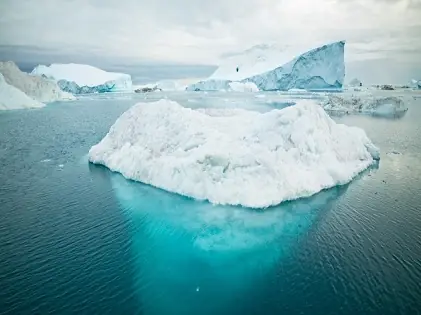
Two recent satellite images show that Earth’s glaciers and the ice sheets are melting faster than ever! Earth is made of 71% of water. However, not everything is fit for human consumption because over 96.5 percent of this water is in the oceans, making it unsuitable for consumption.
Of the consumable water, 99% of the Earth’s freshwater ice sheets and glaciers are in Antarctica and Greenland. While it is normal for the ice sheets to melt with the changing seasons, this time around, the pace is frightening. While the glacier melt already contributes to 5% of global sea-level rise, the snow caps’ pace is melting now the sea level could rise drastically. And that is no good news to mankind.
Pine Island and Thwaites Glaciers Destabilize
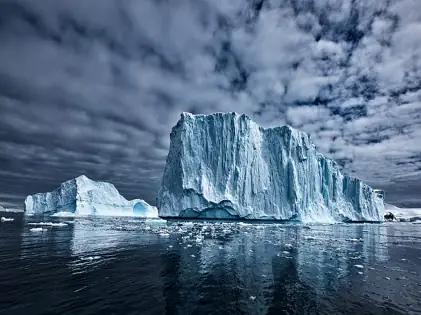
Well, these are two major glaciers that are melting fast. The Pine Island Glacier is one of the largest ice streams in West Antarctica. This is also the fastest melting ice sheet responsible for over 25% of the Antarctican region’s ice loss.
The melting stream from these ice sheets flow into the northwestern and southern side of the Hudson Mountains. And then go into Pine Island Bay and then into Antarctica’s Amundsen Sea. Spreading over an area of 160s miles in length, it’s total catchment area spreads over an area of 68,000 square miles.
The Thwaites Glacier is also called the Doomsday Glacier. It is unusually broad, vast, and spreads over the Antarctic glacier, which flows into the Pine Island Bay, and then into the regions of Amundsen Sea, east of Mount Murphy, on the Walgreen Coast of Marie Byrd Land. Its surface speed goes over 2 kilometers every year, and it is nearing the grounding line.
If you wonder why the Glacier gets the name of Doomsday Glacier, it is because of the damage it could wreck if it were to melt. When the Thwaites Glacier melts, it will increase the sea level by 65 centimeters and cascade half of the Western Antarctican region, leading to a two to three-meter rise in the sea level.
How Much Ice Has Melted So Far?
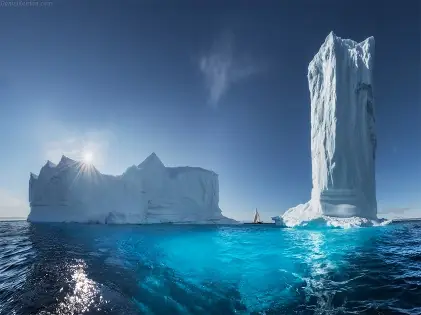
Recent research shows that since the year 1994, the Antarctic ice caps have seen a staggering 28 trillion ice tones. And since then added to a three feet dramatic rise in the possible sea level. Scientists from the United Nation’s Intergovernmental Panel on Climate Change state that this matches the worst-case scenario they predicted a few years ago.
And since then, the sea levels are rising at a range of 3.5 millimeters per year. The Thwaites Glacier is contributing to an increase in the sea level by around four to five percent. Well, that is scary and could spell doom to the whole world. That’s because it would bring along numerous destructions like erosion, flooding of the wetlands, contamination of the aquifer and agricultural soil with salt, and habitat loss for plants, birds, and fishes.
What’s the Impact It Could Have?
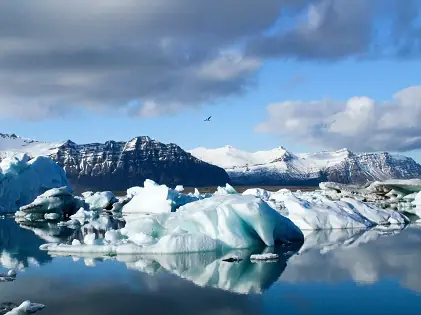
According to research, the melting Greenland glaciers would expose over 400 million people. And this could happen most likely by the end of this century. Other studies suggest that there could be a further disintegration and calving in the months to come. Calving is when a large ice sheet breaks off, leading to an unprecedented retreat of the ice shelf.
The shear zones or areas which see a severe deformation of the melting ice sheets have increased since 1992 by 2020. And the fastest melting period has been in the years between 2010 to 2020. However, the relief is that melting glaciers could slow down in the years to come. The melting would prevent a major collapse as the surface-level melting is very little. However, it makes the shear zones vulnerable to an enhanced mass loss and a grounding line retreat.
Scientists and environmentalists believe that nations have to start acting soon to stop the damage that global warming is causing. And remember, every simple act that we make as an individual will make a difference to the planet. So, start acting today and do your bit as a responsible citizen of this planet!